

This blog article discusses the growing crisis of Work-Related Musculoskeletal Disorders (WMSDs) in India’s corporate sector and among IT professionals. The research shows that 80% of desk workers suffer from musculoskeletal pain. This article goes beyond the basics of human posture and offers a scientific & evidence-based, physiotherapy-driven solution. This blog article introduces objective risk assessment tools (like ROSA and RULA), practical workspace layouts using the Kodak DSU framework, and active micro-break habits. Ultimately, this blog article provides insights for companies and professionals with an actionable guide to design healthier, pain-free workspaces.
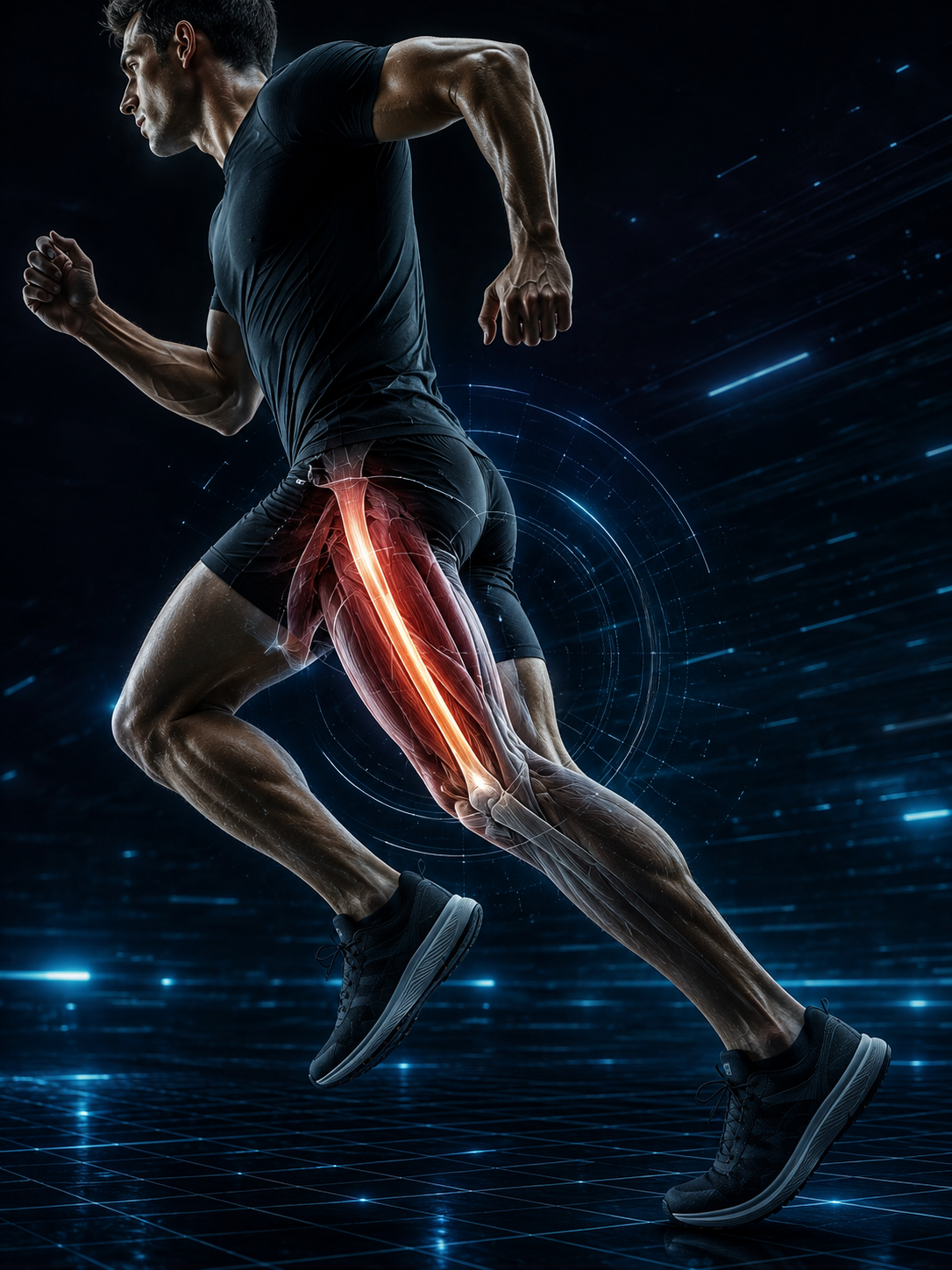
Revisiting the Role of Iliotibial Band

B.Maithilidutta pradhan
The iliotibial band (ITB) is now recognized as a dynamic, muscle-controlled fascial structure rather than a passive band of tissue. Emerging evidence suggests that ITB syndrome is driven more by impaired hip muscle function, altered neuromuscular control, and faulty running mechanics than by friction alone. Consequently, rehabilitation is shifting from passive interventions like stretching and foam rolling toward hip abductor strengthening, gait retraining, and movement optimization, which demonstrate better clinical outcomes. This evolving understanding highlights the ITB's broader role in lower-limb stability and performance, emphasizing the need for function-based assessment and rehabilitation supported by further high-quality research.
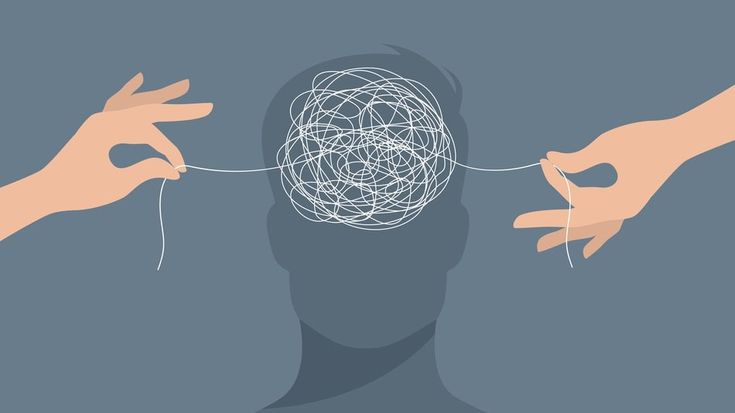
The Mind-Body Connection: Psychology Tools to Conquer Chronic Pain

Dr. Aditi Sharma (PT)
Your MRI is normal… so why does it still hurt? This blog dives into the science of chronic pain and explains how physiotherapy uses mind body techniques to retrain the brain, reduce fear, and help patients move without pain dominating their life.
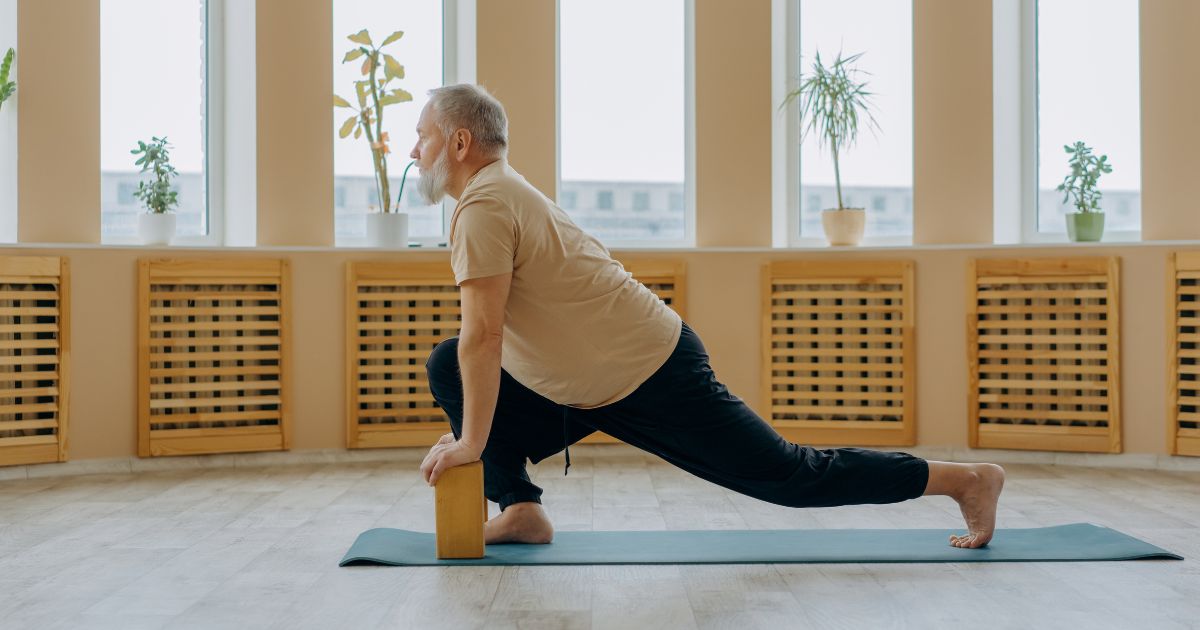
This blog explores the integration of yoga principles with physiotherapy to enhance recovery outcomes. It highlights how techniques such as controlled breathing, mobility-based postures, and mindful movement can complement evidence-based rehabilitation. The article emphasizes using yoga not as an alternative, but as an adjunct to physiotherapy, supporting functional restoration, patient engagement, and holistic recovery within a clinical framework.
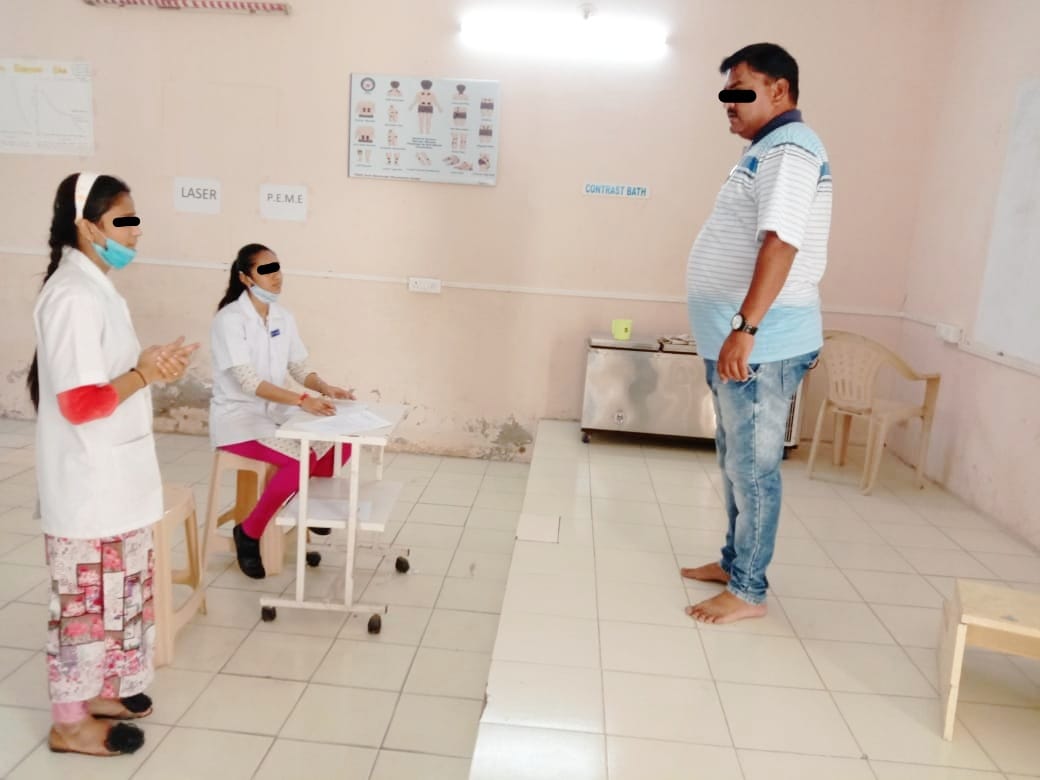
Prevalence and incidence of flat foot due to prolonged standing among traffic police in Navsari: A crosssectional study
Jolly Pandya
International Journal of Physical Education, Sports and Health 2021; 8(4): 10-14 P-ISSN: 2394-1685 E-ISSN: 2394-1693 Impact Factor (ISRA): 5.38 IJPESH 2021; 8(4): 10-14 © 2021 IJPESH www.kheljournal.com